 Models
 Materials
 HDRIs
HDRIs
 Scenes
 Brushes
 Node Groups
 Printables
 Creators
 Creations
ASCII Studio
 add-on
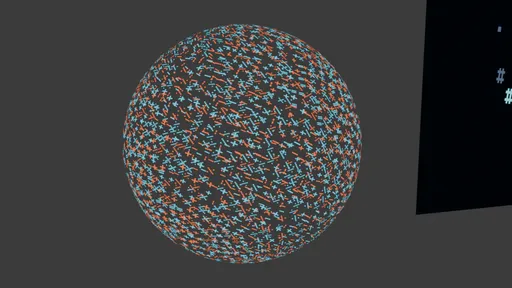
Converts images, renders, whole objects, materials and selected faces into reusable glyph art. Results stay packed in the .blend or leave as portable caches, and drive geometry nodes, materials, compositor groups, paint brushes and animation bakes.
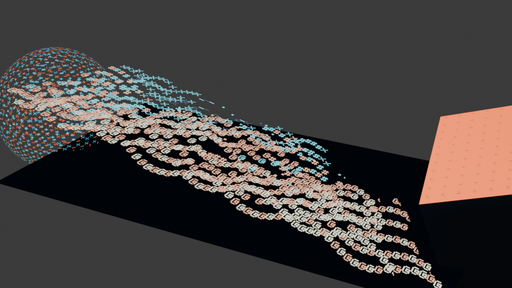
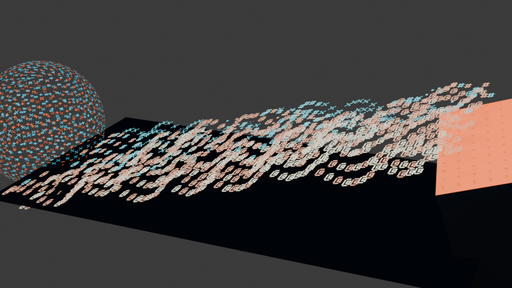
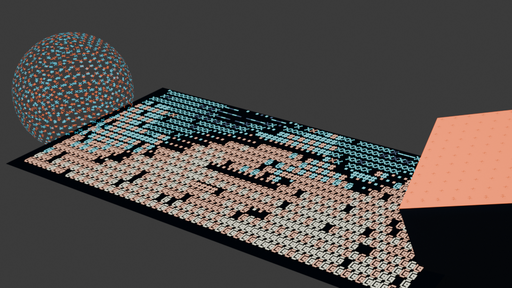
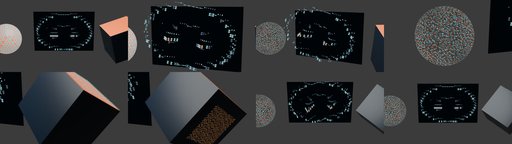
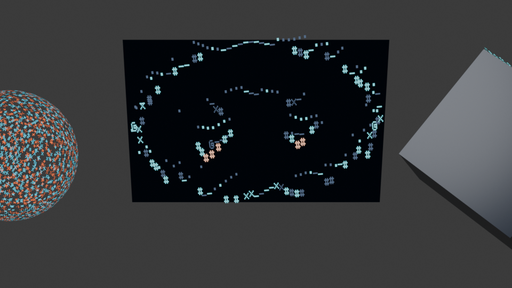
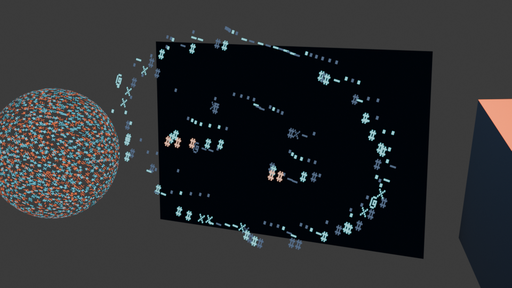
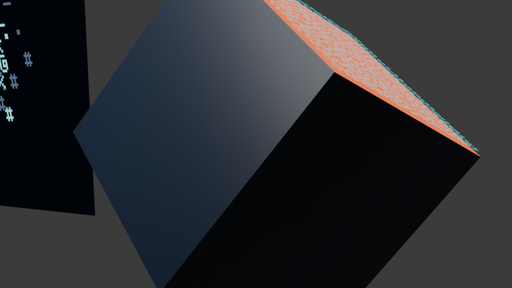
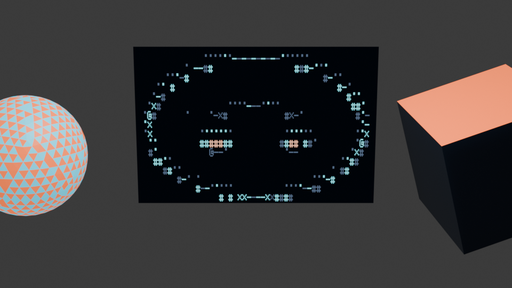
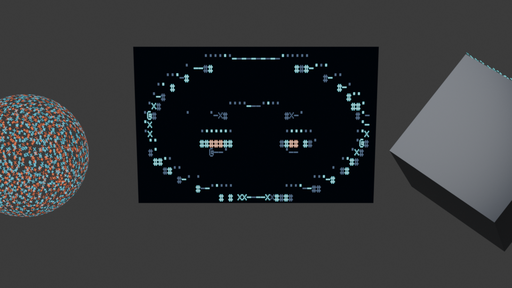
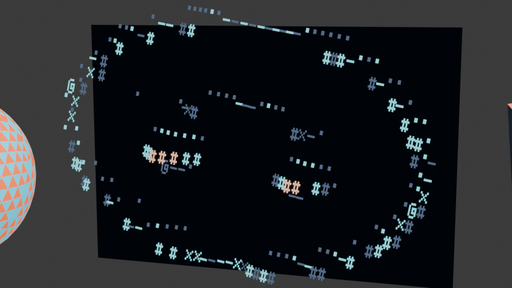
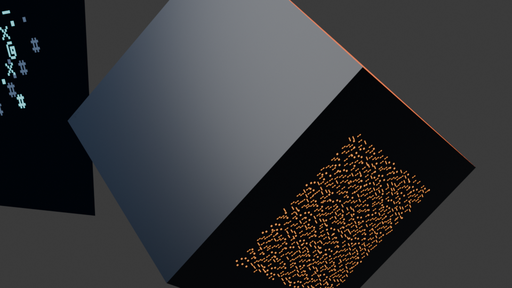
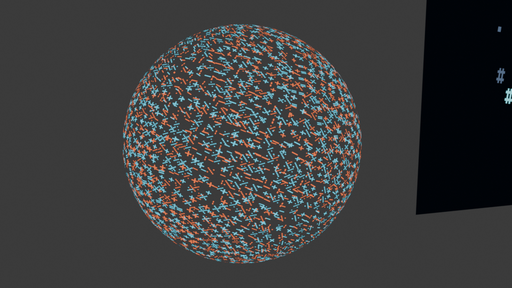
- Converts camera output, whole objects, renderer groups, single material slots, sky, and world-space zones to glyph rendering through one core that behaves deterministically for batch capture.
- Full-screen camera pass through the URP Full Screen Pass Renderer Feature, with a movable box or sphere mask when the effect should stay local.
- Material-slot targeting: -1 converts a whole renderer, an index converts one submesh, so a single face of a mesh can convert while the rest stays untouched.
- Universal ASCII shader plus a shared HLSL custom-function contract for VFX, decals, and particles that keeps transparency and particle vertex color.
- Physical glyph volumes: face extrusion, localized transition spirals, fog fields, movement trails, and damage shedding through AsciiGlyphVolumeEmitter and AsciiGlyphSheddingEmitter.EmitDamage.
- 3D-first hologram path. The volumetric glyph mesh is canonical and the flat display image is that same mesh flattened along depth, so extraction visibly moves real glyphs instead of swapping renderers.
- Reusable profiles and custom look slots exposing grid size, cell aspect, gamma, contrast, structural selection, edge threshold, inversion, glyph subset, color mode, two to six palette colors, emission, density, jitter, seed, background, shadow, bloom, scanline, vignette, chromatic split, grain, posterization, desaturation, black lift, mip bias, and kaleidoscope controls.
- Brush-preset data (AsciiBrushLibrary) with named, reorderable slots carrying their own stamp, spacing, pressure curve, and tint, for a consuming paint tool.
- Editor tools under Tools > ASCII Studio: Open Studio, Create & Open Demo, Apply to Selected Objects, Create ASCII Version of Selected Material, Add Camera Filter, Create World Zone.
- Runtime conversion and render API, plus checksummed portable .asciicache files that a Blender companion add-on reads back at the same grid and cell count.
- A nine-chapter demo scene with every generated material and profile it needs.
- Sources anything Blender can show: an image, a movie frame, a generated texture, or the Render Result, chosen explicitly rather than guessed.
- Live Preview repacks the result when look settings or the scene frame change, and materials using that packed image update in place.
- Objects and collections convert through a render matte assigned as a slot mask, so one object can carry the effect while the rest of the scene stays untouched.
- Material delivery three ways: a display material, a custom ASCII Source binding, or a reusable tint, emission and opacity shader group.
- Geometry that is not destructive: a surface-scatter Geometry Nodes group, a wrapped glyph mesh, and an editable text object.
- One volumetric glyph mesh with a reversible Display Flat shape key, so a hologram and its flattened display state are the same geometry.
- Parent-local atlas glyph geometry wrapped over a whole object, its active material, or only the faces you select, with area-density sampling and Source, Tint, Monochrome or Palette colour.
- A packed glyph atlas with reusable texture-paint and sculpt brushes.
- Frame-range bakes with one packed result per frame for animation and simulation.
- A deterministic 5x7 bitmap kernel, a Python API, and checksummed .asciicache files that the Unity edition reads back at the same grid and cell count.
ASCII Studio targets the Universal Render Pipeline. Every shipped shader declares
"RenderPipeline" = "UniversalPipeline" and includes URP's shader library, and the
full-screen camera pass is a URP Full Screen Pass Renderer Feature, so the real-time
paths need URP. Developed and validated against URP 17.4 on Unity 6000.4.4f1.
The Built-in Render Pipeline and HDRP are not supported for the real-time shader paths
in this release.
The conversion kernel itself is managed C# and depends on no pipeline. Anything baked
with it stays usable anywhere: Texture2D output and portable .asciicache files are
ordinary data, so a bake made in a URP project can be displayed by a project on any
pipeline, and the same cache is read back by the Blender companion add-on.
1.7.2
First public release.
- One deterministic conversion core behind every surface: camera, sky, mesh, material, single material slot, world zone, object group, UI texture, VFX, and runtime.
- 3D-first glyph character: the display face is the volumetric mesh flattened along depth, and restoring that depth extracts the same glyphs into world space with no renderer swap.
- Physical glyph volumes, movement trails, and damage shedding for gameplay use.
- Full look control through profiles and custom look slots, including palettes, structural selection, post effects, and kaleidoscope camera pull.
- Brush-preset data for paint-system integration and portable .asciicache files shared with the Blender companion add-on.
- Editor tooling under Tools > ASCII Studio, a generated nine-chapter demo scene, and full documentation in the package.


